Laser Cutting

Laser Cutting Services

At Di Candilo Steel City, we provide laser cutting services for a broad range of applications throughout Perth and Western Australia.

Laser cutting is commonly used across construction, mining, manufacturing, fabrication and engineering industries where accurate profiles, intricate shapes and repeatable results are required. It is suitable for a wide range of components, from simple brackets and base plates through to machine parts, signage and production components.

Whether you require a one-off part, a prototype or an ongoing production run, our laser cutting services can assist with a broad range of carbon steel, stainless steel, aluminium and galvanised steel applications.

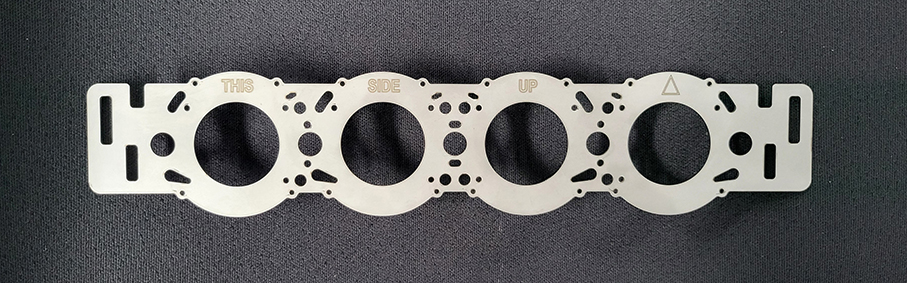
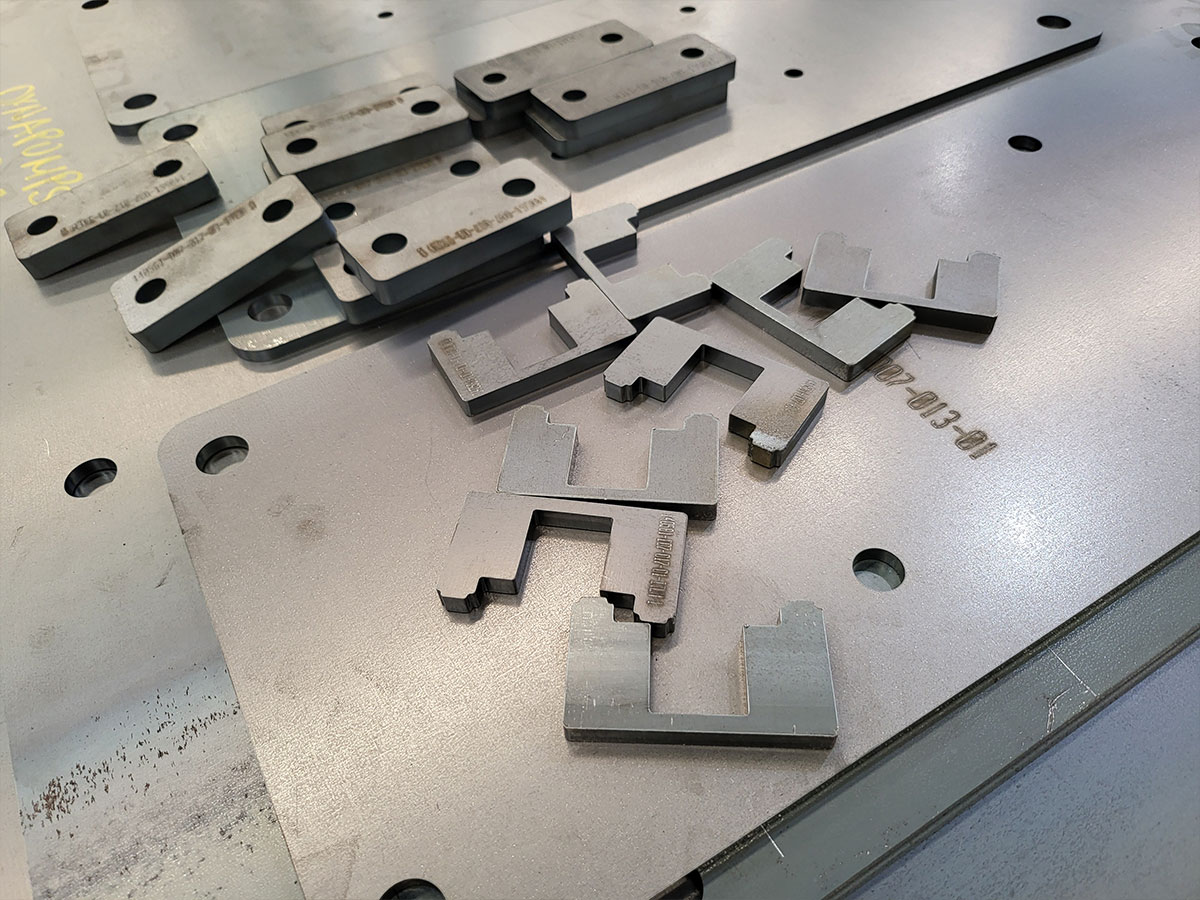
Laser cutting services small gasket product sample.

What is Laser Cutting?

Laser cutting uses a concentrated beam to cut shapes, holes, slots and profiles from sheet metal and plate.

The laser generates enough heat to melt the material along the required cutting path while an assist gas removes the molten material, producing a clean and accurate cut. Depending on the material and application, laser cutting can be used to produce everything from simple brackets and base plates through to machine parts, signage and production components.

At our Bayswater facility, we operate both fibre laser and CO₂ laser cutting equipment, each suited to different materials, thicknesses and applications.

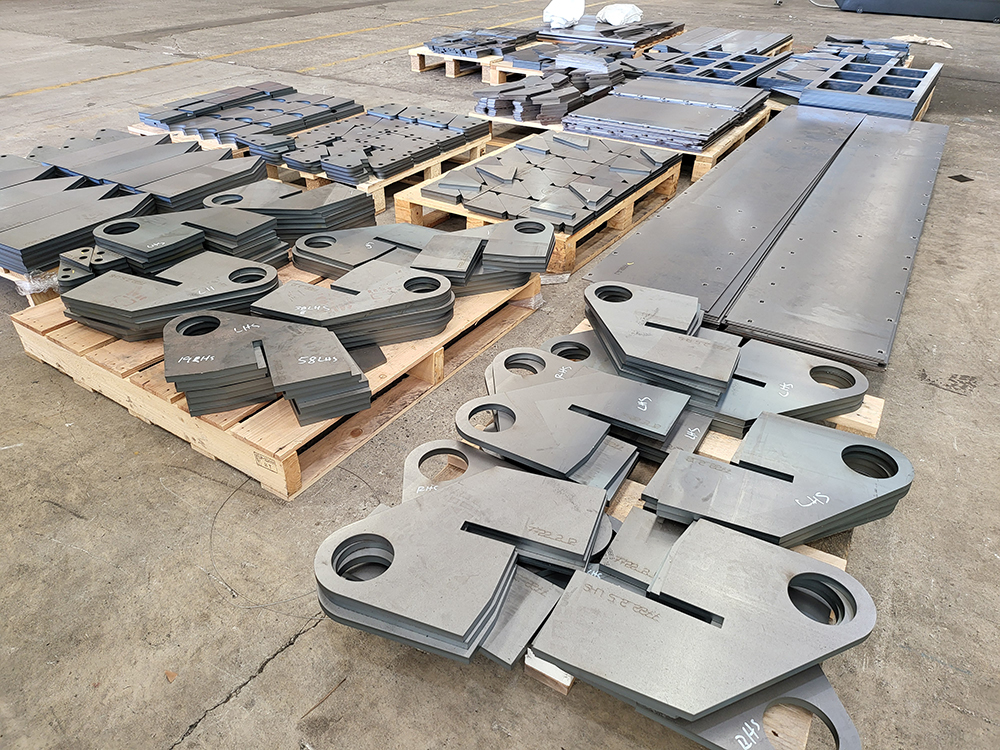
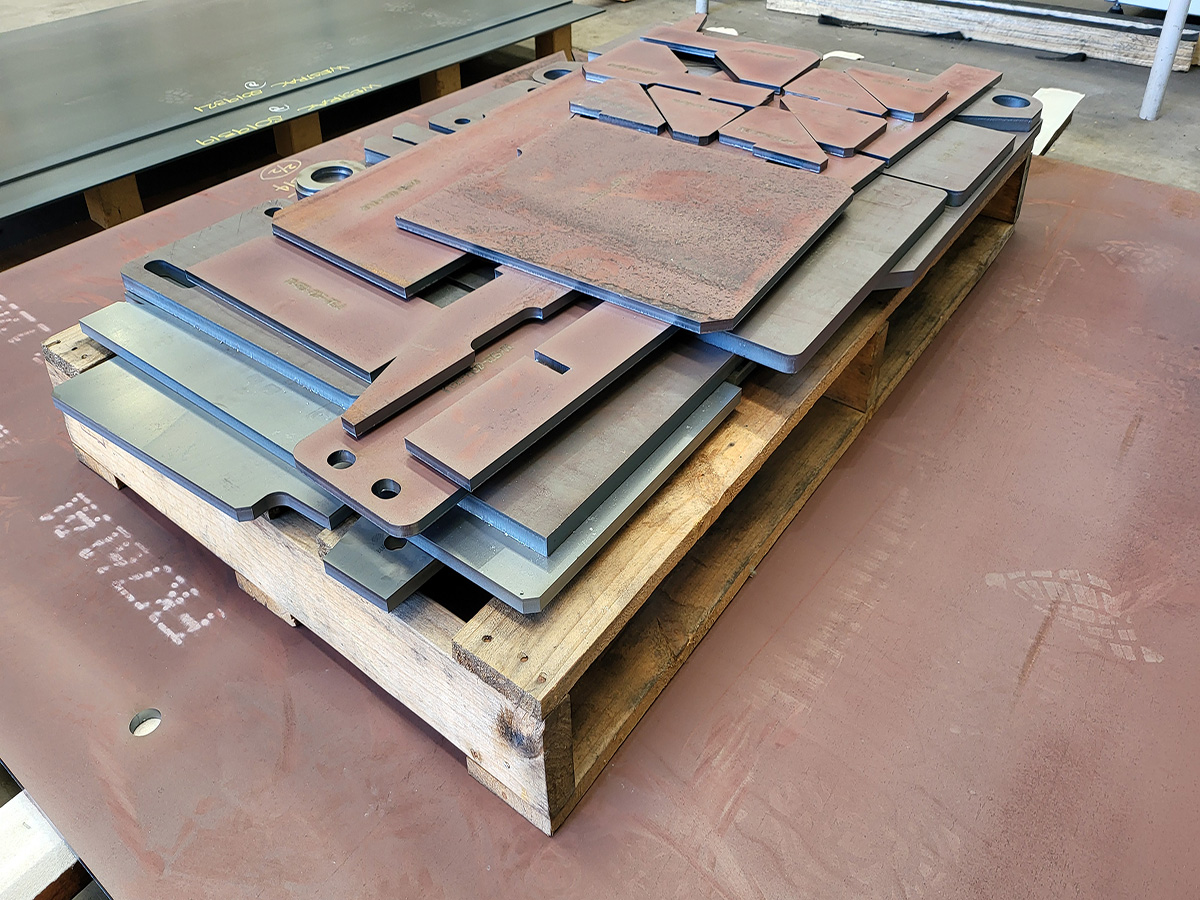
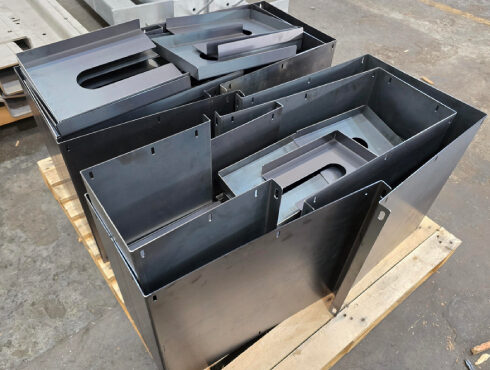
Stacked laser-cut steel parts on pallets

Fibre Laser Cutting

A fibre laser generates a powerful laser beam within a fibre cable before delivering it directly to the cutting head. Unlike traditional CO₂ systems, the beam is transmitted through the fibre cable rather than being reflected between mirrors.

This method of beam delivery is commonly used for processing carbon steel, stainless steel and aluminium where profile accuracy, edge quality and repeatability are important considerations. Depending on the material and application, our fibre laser cutting equipment can process material thicknesses from 0.55mm to 25mm.

The choice of assist gas plays an important role in cut quality and edge finish. When combined with the correct cutting parameters, fibre laser cutting can help minimise burrs, dross and secondary finishing requirements, reducing preparation time for downstream fabrication processes.

Common applications include:

  • Carbon Steel (0.55-25mm): Oxygen is commonly used on thicker material where additional heat can assist the cutting process. Nitrogen may be used on thinner material where a cleaner edge finish is preferred.
  • Stainless Steel (0.55-25mm): Nitrogen is commonly used to minimise oxidation during cutting and help maintain a clean, bright edge finish.
  • Aluminium (0.55-25mm): Nitrogen or high-pressure air may be used depending on the material and application to assist with removal of molten material and edge quality.
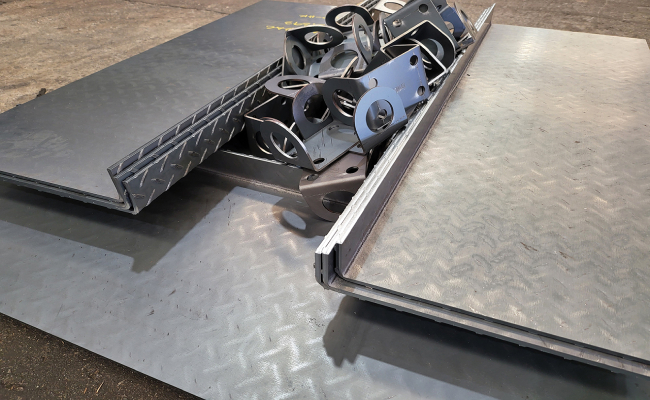
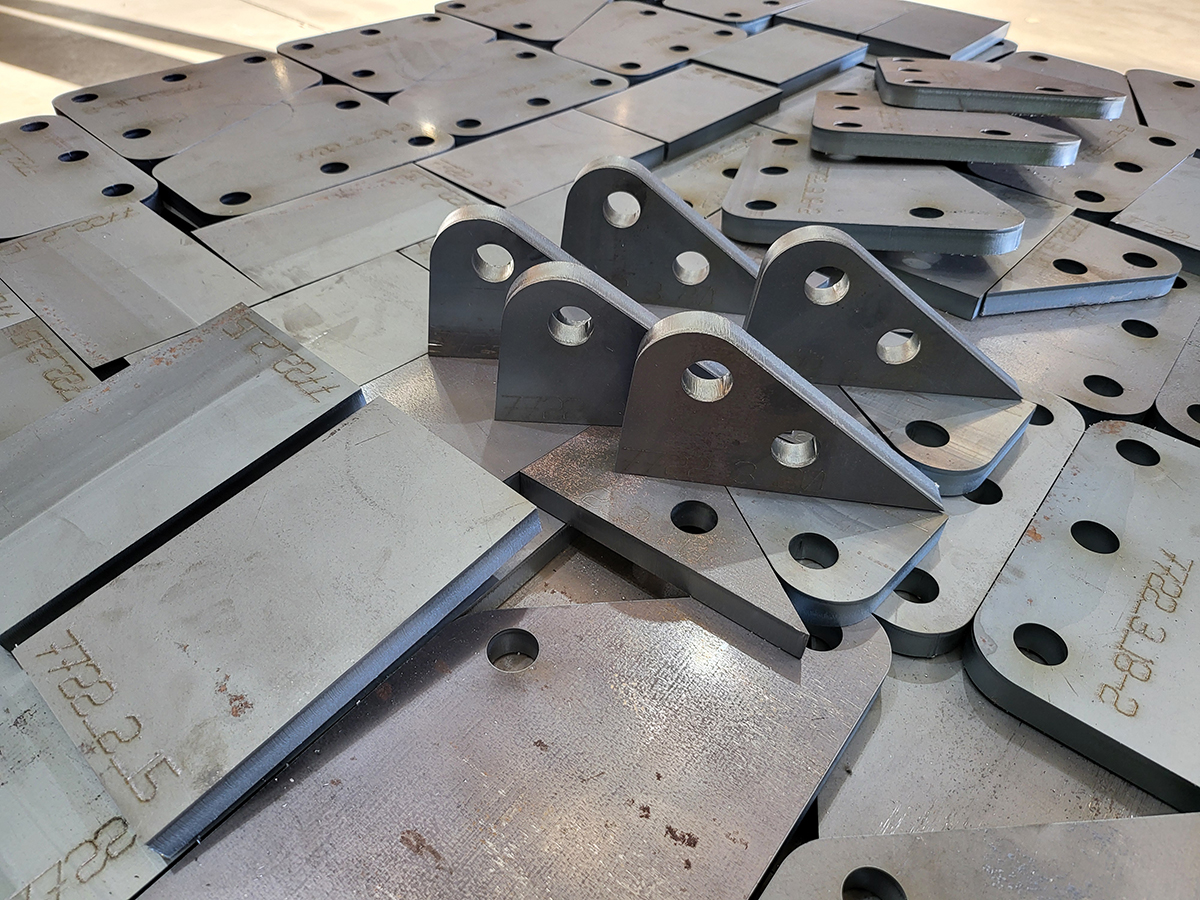
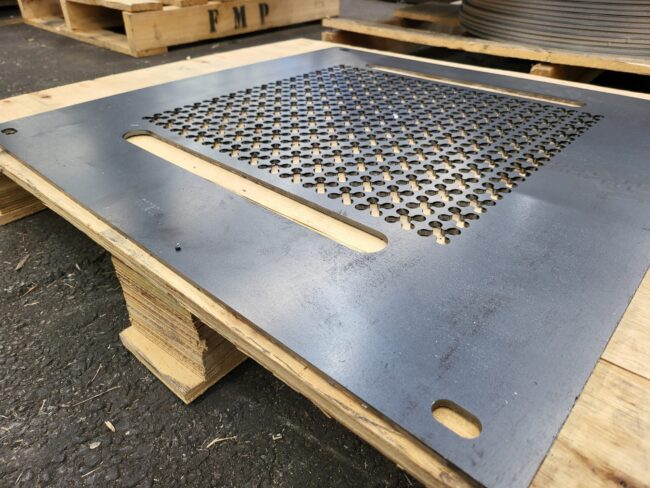
Parts sample from CO2 Laser Cutter Services

CO2 Laser Cutting

A CO₂ laser generates the laser beam within a gas-filled resonator before directing it through a series of mirrors to the cutting head. Unlike a fibre laser, which delivers the beam through a fibre cable, a CO₂ laser relies on accurately aligned mirrors to transmit the beam through the machine.

This method of beam delivery is commonly used for processing carbon steel, stainless steel and aluminium where edge quality and consistent cutting performance are important considerations. Depending on the material and application, our CO₂ laser cutting equipment can process a range of material thicknesses and profiles.

The selection of assist gas plays an important role in cut quality and edge finish. When combined with the correct cutting parameters, CO₂ laser cutting can help minimise burrs, dross and secondary finishing requirements, reducing preparation time for downstream fabrication processes.

Common applications include:

  • Carbon Steel (0.55-25mm): Oxygen is commonly used as the assist gas. The oxygen reacts with the steel and contributes additional heat to the cutting process, making it well suited to thicker material.
  • Stainless Steel (0.55-20mm): Nitrogen is commonly used to minimise oxidation during cutting and help maintain a clean edge finish.
  • Aluminium (0.55-12mm): Nitrogen or high-pressure air may be used depending on the material and application to assist with removal of molten material and edge quality.

Frequently Asked Questions

What materials can you laser cut?
  • Grade 250 and Grade 350 carbon/mild steel, including checker plate
  • Corten / weathering steel
  • Quenched & tempered (Q&T) / hardened steel
  • 304 and 316 stainless steel
  • 5005 and 5083 aluminium, including checker plate
  • Galvanised steel
  • Zincanneal

Material suitability depends on the thickness, design and application.

No. While CAD files can assist with quoting and production, we can often work from PDFs, sketches, photographs or sample components depending on the project requirements.
Yes. We can assist with one-off parts, replacement components, prototypes and production runs
Yes. Depending on the project requirements, additional services such as bending, fabrication and finishing may be available.
Completed parts can be collected from our Bayswater facility or arranged for delivery throughout Perth and regional Western Australia.

Our Gallery

Related Services

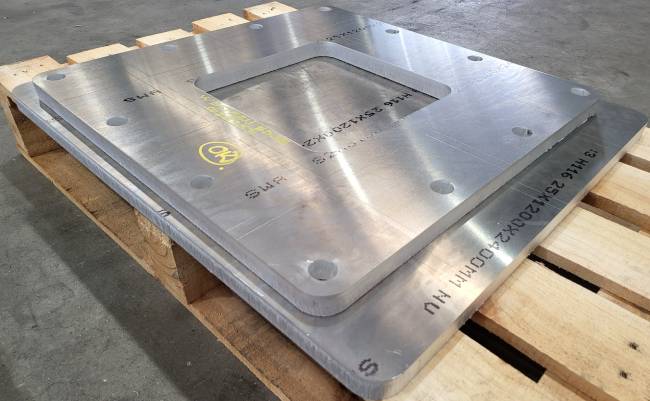
Laser cut 25mm aluminium
Lightweight, strong and corrosion resistant, sheeting, structural tube and pipe.
01
metallaseretetching-hotbox
Laser etching and engraving, perfect for stainless steel, carbon steel and anodised aluminium.
02
stainless steel products
Corrosion-resistant steel available in a variety of grades and finishes.
03
Get Your Quote Today

Custom Cutting Solutions

Our expert team in Perth is ready to deliver custom solutions that meet your exact specifications. Contact us now to discuss your needs and receive a personalised quote.